

Travel
We recommend for you to book your flights to Nepal as soon as possible.
Accommodation
As July is considered an “off-season” in Nepal, it’s generally easy to secure accommodation on shorter notice. We encourage you to keep your options open beyond the wedding period (10th - 13th July - to be spent in KTM), as there’s lots to explore both within and beyond Kathmandu.
For your stay in Kathmandu, we recommend looking for hotels in or around the Thamel area. You can have a look on booking.com.
We have also received a quote from the hotel where the wedding will take place (Hotel Manaslu) of 70 USD for a standard double room with breakfast. Please get in touch with Aayu if you want to know more.
Other tips
It is a good idea to bring some cash with you (either to exchange into NPR at the airport, or already exchanged NPR) for the taxi ride to the accomodation, to buy a sim card at the airport, etc. Once in the city, there are also other options (e.g. cash withdrawals from ATMs).
Please also bring along some passport-sized pictures if you can - they will come in handy for travel passes for tourist activities.
Visa
Tourist visa can be applied for beforehand, or obtained on arrival: https://www.immigration.gov.np/en/page/tourist-visa
Local Travel & Flexibility
Mid-July is monsoon season in Nepal, bringing warm temperatures, vibrant greenery, and passing rain showers - often intense but short-lived. The countryside turns beautifully lush, the skies feel big and dramatic, and everything feels especially alive at this time of year. You can expect some rain, but it’s all part of the atmosphere, and there is plenty to explore and enjoy.
We’ll be working closely with Mr. Sudarshan Gautam, Managing Director of United Tours & Travels, to help arrange tours within the Kathmandu Valley and around Nepal.
As plans can sometimes shift depending on conditions, a little flexibility goes a long way. The good news is that Nepal has a very relaxed approach to travel planning, and it’s quite common to organize trips just a few days in advance (or even on the same day!).
Just bring along a little sense of adventure — Nepal tends to handle the rest! :)
Things to look forward to!
Kathmandu Valley
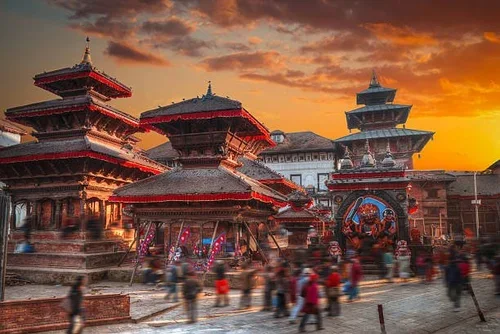
The valley of Kathmandu is filled with a beautiful mix of ancient temples, buzzing streets, hidden courtyards, and incredible food. You could spend days simply wandering and soaking it all in.
Even with a passing rain shower, the valley stays lively, colourful, and full of character. In fact, just after a heavy monsoon rainfall is when it feels most magical — the smell of wet earth lingering in the air, water still dripping from tin roofs, a brief hush before the city slowly hums back to life.
A few highlights you can explore:
The three ancient cities of Kathmandu, Patan, and Bhaktapur, each with their own magnificent Durbar Square, intricate temples, and centuries of history woven into everyday life
Pashupatinath, one of the most sacred Hindu temples in the world, set along the Bagmati River — alive with ancient rituals, pilgrims, and temple animals
Swayambhunath (the “Monkey Temple”) for sweeping views over the valley
Boudhanath to stroll beneath the prayer flags and experience the hub of Tibetan culture
Thamel for its lively energy, cafés, and little shops during the day, and fun clubs and bars during the night
Nagarkot for a panoramic view of the valley and a glimpse of the sunrise over the Himalayas
Food is a huge part of the experience. From traditional Newari feasts in the old cities to momos, thalis, laphing, pani puri, street snacks, and cozy hidden restaurants, there’s so much to taste and discover.
And for those who appreciate a good drink, Kathmandu offers everything from familiar imports and cocktail bars to traditional raksi, chyang, aila and tongba — consider yourselves gently warned. After dark, the city has a lively side of its own, especially around Thamel, if you feel like extending the evening a little.
Pokhara
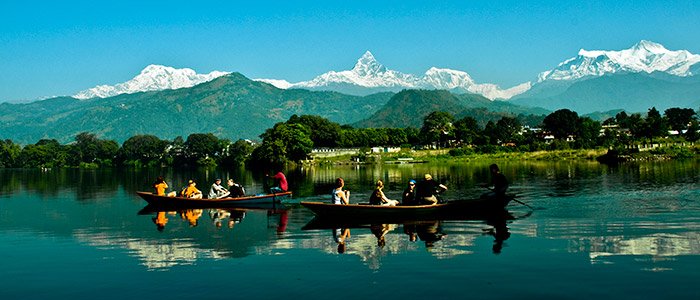
Pokhara is calmer, slower, and wrapped in nature. Set beside Phewa Lake and framed by the Annapurna range, it’s the kind of place where mornings feel unhurried and evenings stretch gently into the night.
In July, the surrounding hills turn an almost impossibly vibrant green. Clouds drift low over the water, and when the skies clear — even briefly — the mountains reveal themselves in a way that feels almost unreal.
A few things to enjoy:
Boating across Phewa Lake, especially in the early morning or at sunset
Visiting the World Peace Pagoda for sweeping views over the lake and valley
Catching sunrise from Sarangkot (weather permitting)
Exploring Devi’s Falls and the nearby caves
Light hikes through the surrounding hills and villages
Paragliding above the lake, if you’re feeling brave
Yoga sessions, spa afternoons, or simply lingering in lakeside cafés
Pokhara is more about atmosphere - slow mornings, fresh air, and the occasional dramatic mountain reveal.